
Twitter User Flags 'PedoFILA' Controversy
An old advertisement is suddenly going viral online in South Korea. Keywords: “pedoFILA” and “sexualization.” Against a pink background, dotted with strawberry patterns, “Strawberry gelato” is written in playful cursive lettering. By the way, this ad is not for a new flavor of Baskin Robbins. Underneath the script, a sneaker

Prospect of War Prompts Mixed Reactions in South Korea
American missiles rained down on Syria Friday, ostensibly to punish the Damascus-based government for using chemical weapons against its own people. For South Koreans watching the news, the plight of Syrians struck close to home, as fears mount that the Korean Peninsula might be next in line for an American
Se-Woong Koo: In Brazillian TV show "Pedro Pelo Mundo."
Our publisher Se-Woong Koo appeared in an episode of the Brazilian TV channel GNT’s travel show “Pedro Pelo Mundo.”
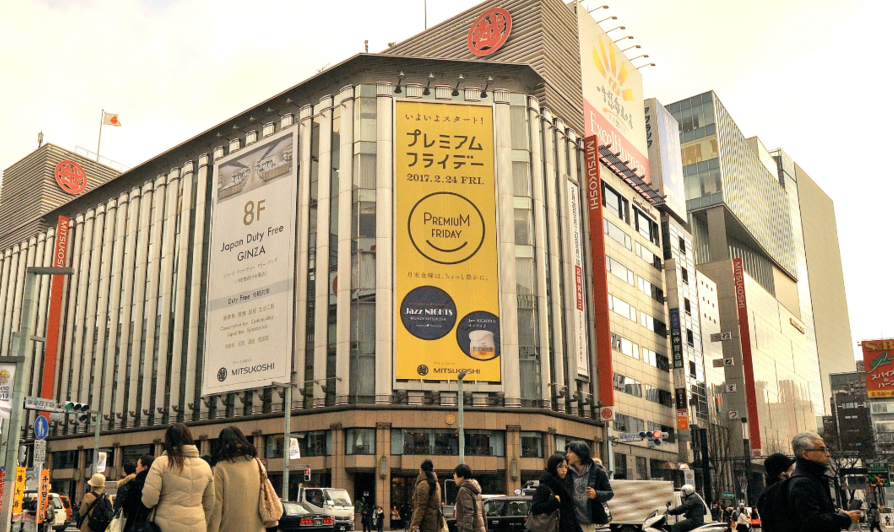
T.G.I.F: Will Leaving Work Early on Friday Boost Consumption?
Starting this month, the South Korean government is hoping that a little more free time can boost lagging consumption and a dreary economy. A program will soon take effect that allows government workers to leave work at 4 p.m. on the last Friday of each month. The government
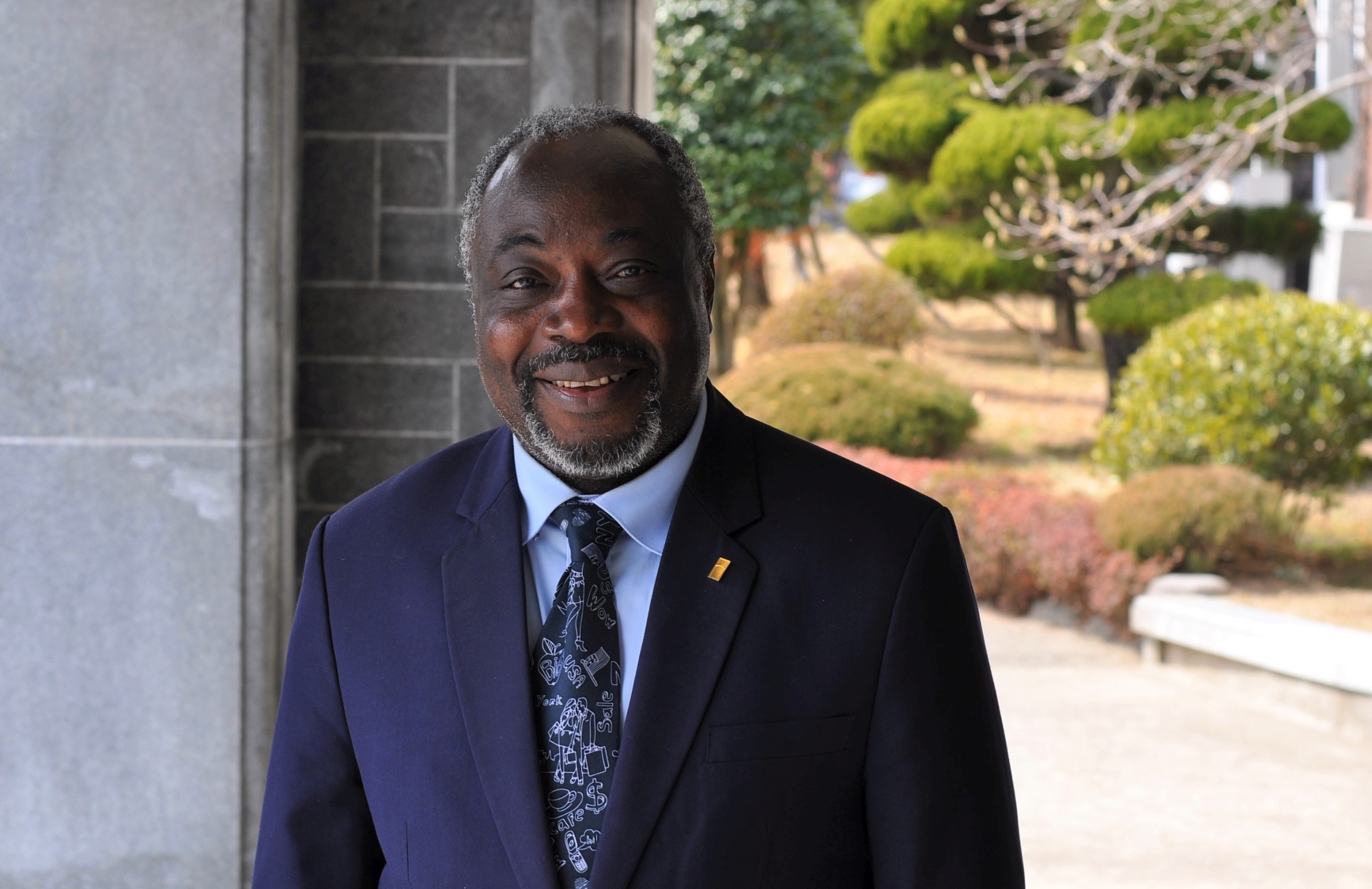
"Damunhwa" Is No Multiculturalism: A Congolese Refugee Reflects on Life in South Korea
Meet Yiombi Thona, one of South Korea’s highest-profile refugees. He came to South Korea in 2002 after fleeing his native Congo under fear of arrest. As a member of the Congo intelligence service, he had leaked documents revealing government corruption and was in turn accused of trying to lead

K-Pop And the Spy Camera Incident: Always Smile At the Customer!
In an online video clip, Yerin, member of the K-pop group GFriend, sits behind a table with a neck pillow perched playfully on her head. In front of her sits a man in a black jacket who leans forward slightly, removes his eyeglasses and hands them to her. She looks
Is Greenwashing South Korea's New Black?
South Korea’s controversy over coal-fired power stations continues to grow, in a country with the largest coal plant in the world. Concerns about air pollution and greenhouse emissions are rapidly darkening coal’s reputation, which powers about 40 percent of the country’s energy.
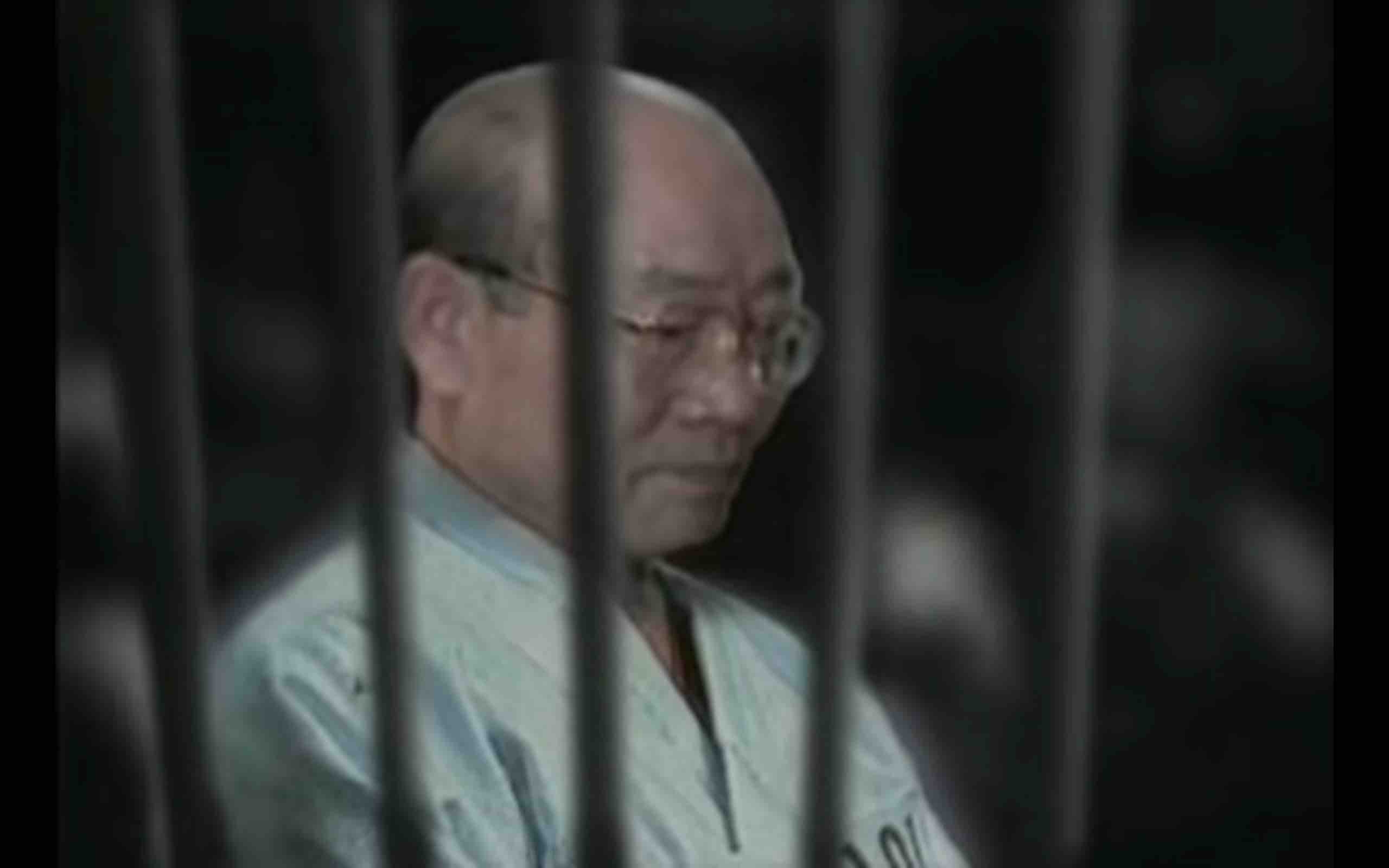
The Victim Cosplay of A Former Dictator
Chun Doo-hwan, an infamous military dictator of South Korea, isn’t new to self-denial. For years, he has denied involvement in the Gwangju Democratization Movement — or Gwangju Uprising, as conservative skeptics like Chun call it. In his recent memoir, a massive trilogy spanning 2,000 pages, Chun is once
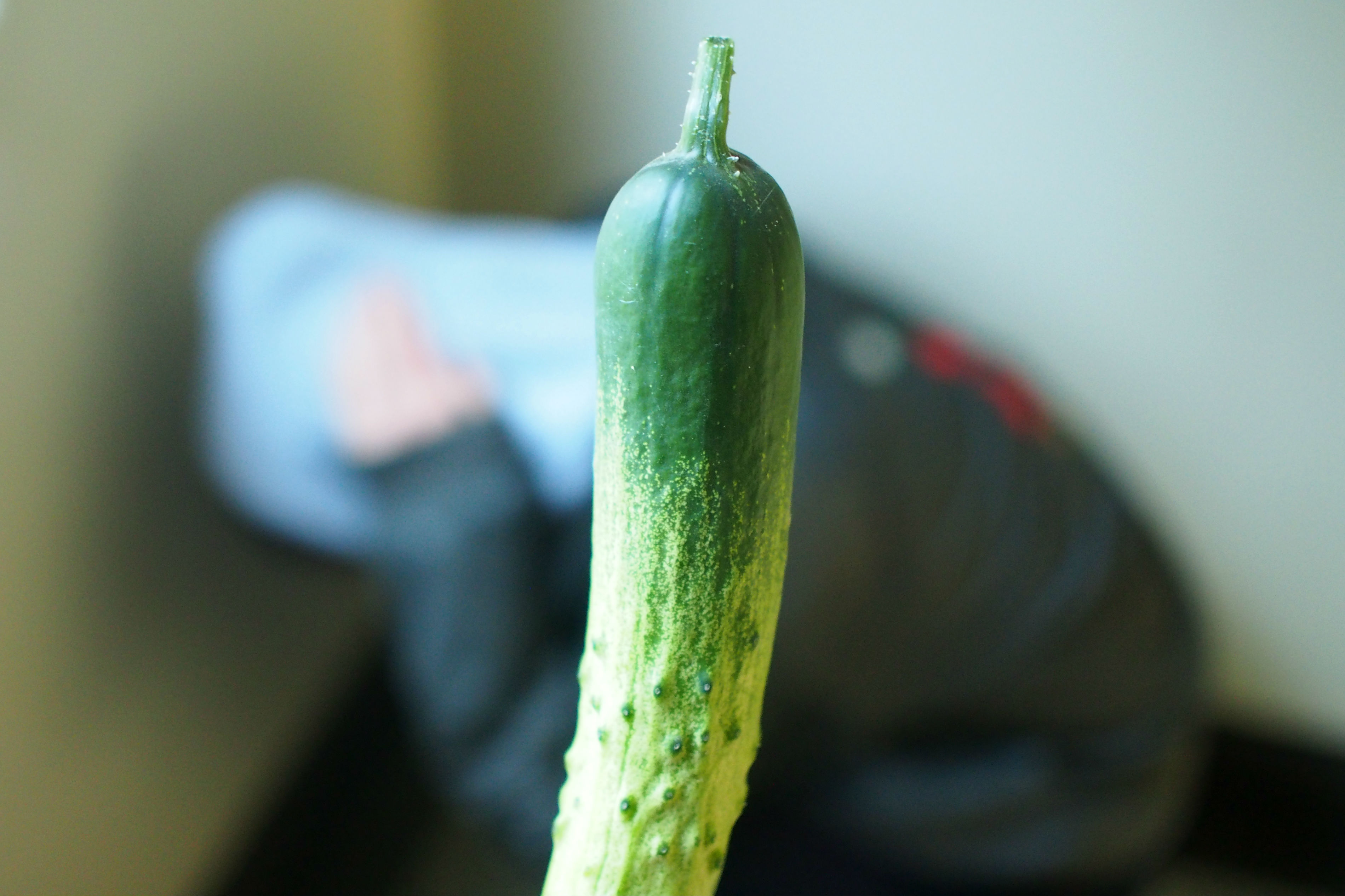
Vegetable Rage Hits South Korea as Cucumber Haters Revolt
“People put cucumber on cold noodles, sliced it in sandwiches, shoved it into gimbab…… ‘Just put up with it,’ they told us. We were erased from the world, isolated, but now I know – I’m not the only one who hates cucumbers. Now is the time

The Presidential Race Is On: Ten Minutes of Live Newstertainment
Sohn Suk-hee’s live interview with Hong Joon-pyo didn’t go the way he planned. Sohn, the president of broadcaster JTBC’s news division, is arguably South Korea’s most famous news anchor. He’s perceived as a hero in many young, progressive circles: He
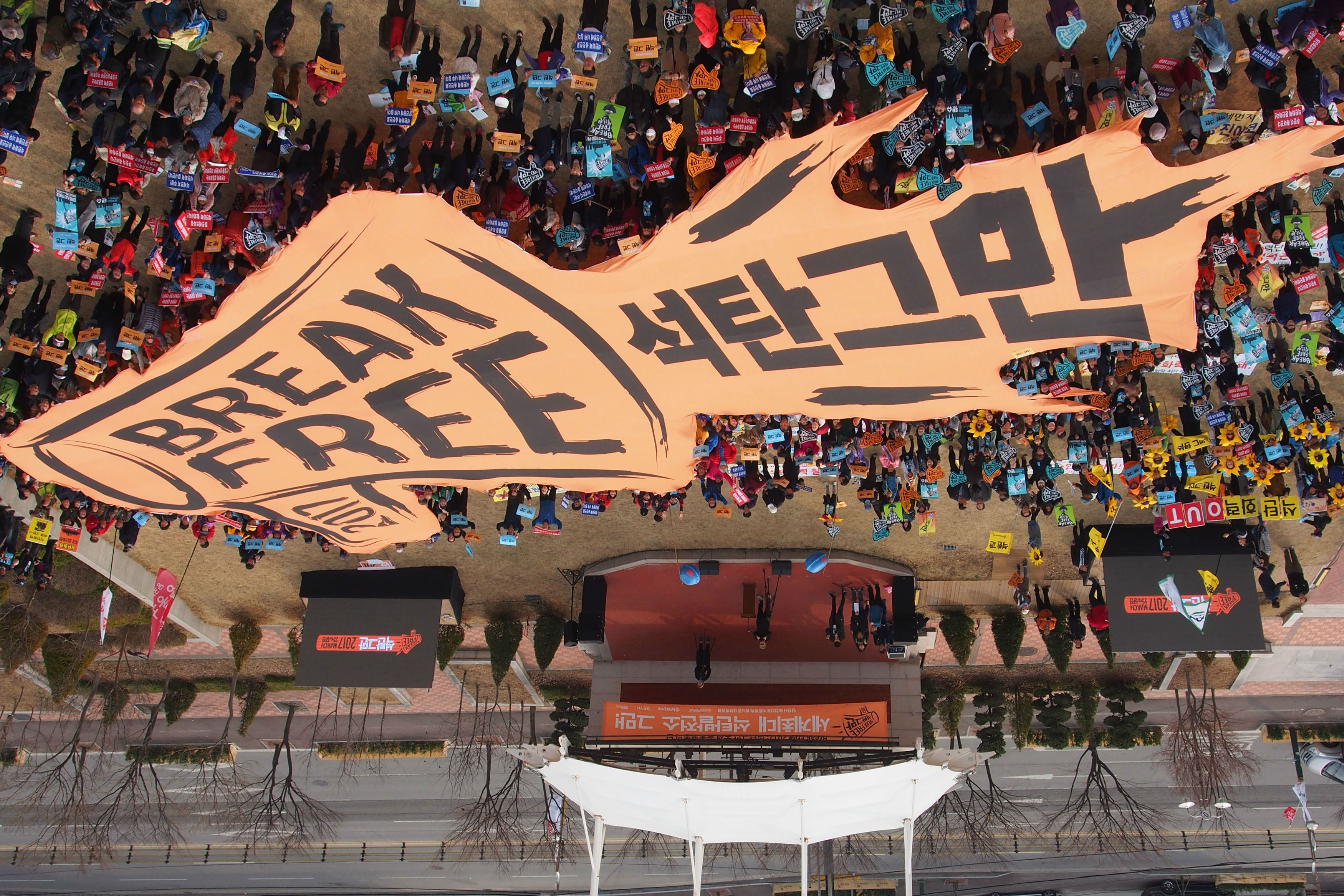
Coal, Dust and Hot Air: South Korea's Dirty Energy Habit
On the far side of a dry rice paddy, where magpies scratch at the earth, stands Dangjin Coal-Fired Power Complex, the biggest coal plant in the world. Inside its blue-clad towers are ten giant units capable of generating almost 5,900 megawatts of electricity — enough to power some five
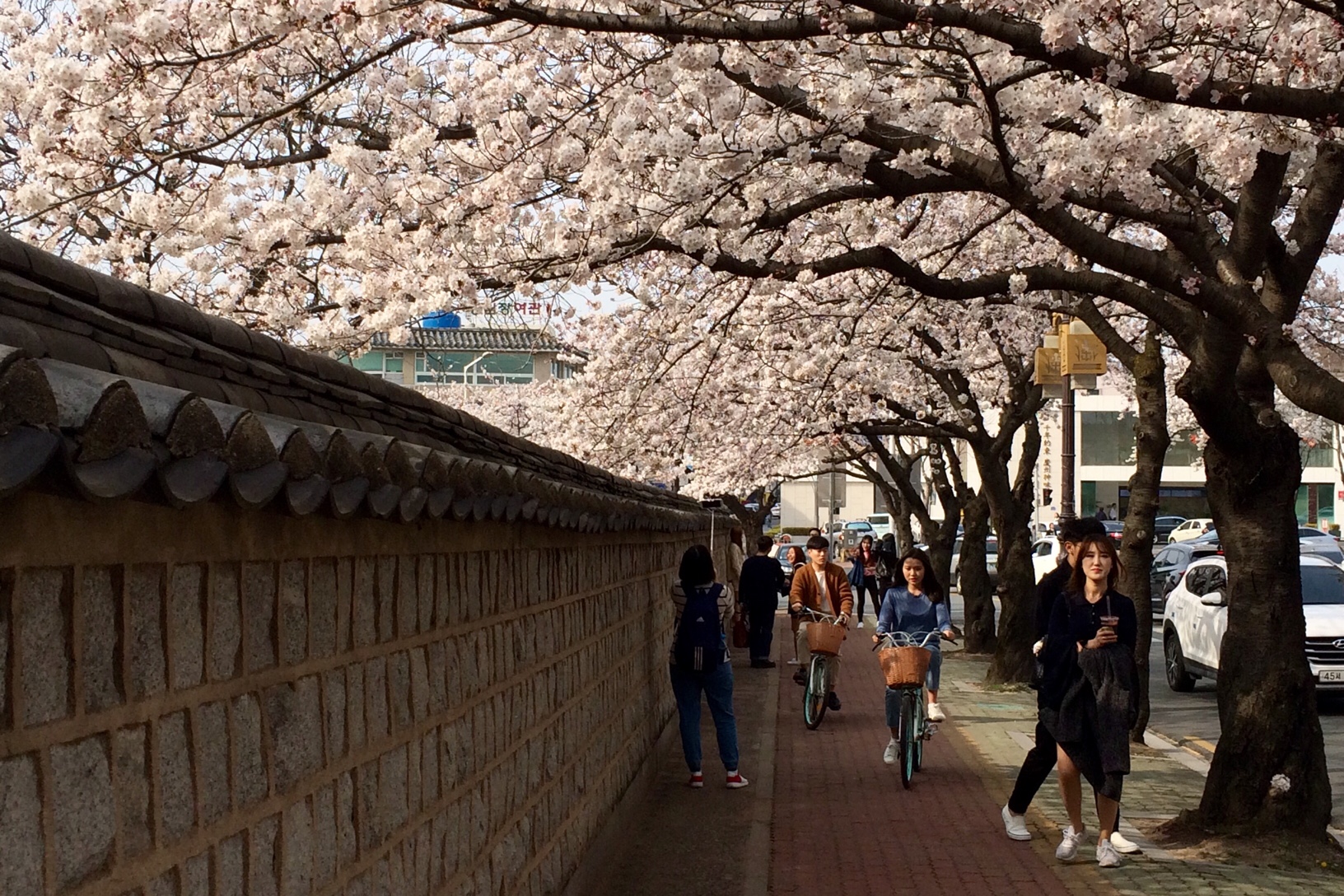
Cherry Blossom Politics: South Korea Vs. Japan
As cherry blossom petals herald the beginning of spring, typical spring routines return to South Korea, as South Koreans shed their winter clothes and hum a quintessential spring song by Busker Busker, “Cherry Blossom Ending.” But something else routinely comes back when spring is in the air: a controversy